


Diesel Forklift vs. Gasoline or LPG: Benefits and Drawbacks for Your Operation
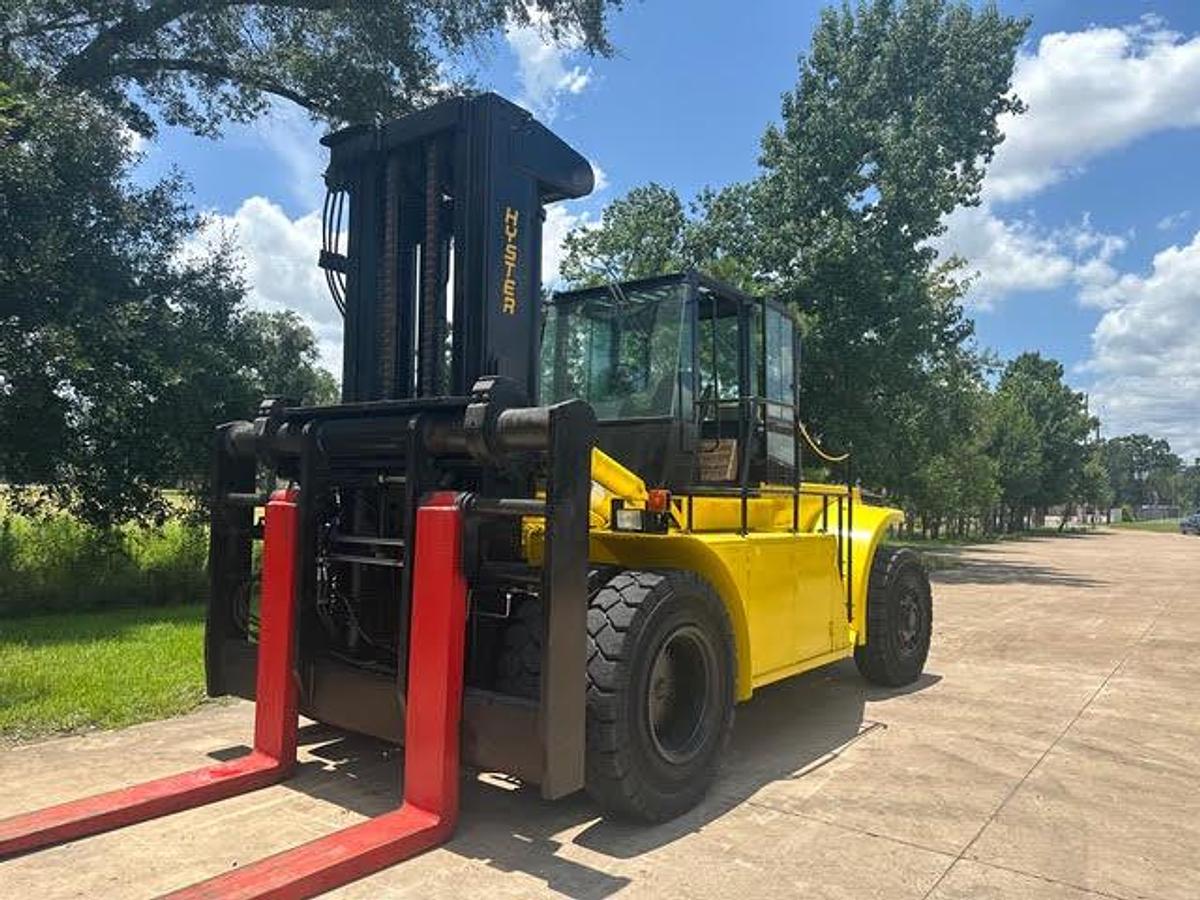
Choosing the right power source for a forklift is a practical decision that affects productivity, safety, operating cost, and compliance. While diesel forklifts remain a popular option for demanding applications, many organizations consider gasoline or LPG (propane) forklifts for flexibility and indoor-friendly operation. This article explains the key benefits and drawbacks of running a diesel forklift in your operation compared with a gasoline forklift or LPG forklift, with guidance on where diesel tends to fit best.
Diesel forklifts are commonly chosen for outdoor yards and high-load, high-duty-cycle work.
Why Power Source Matters in Material Handling
Forklift selection is not only about lift capacity and mast height. Power type influences:
- Duty cycle and uptime: refueling time, heat management, and sustained performance.
- Indoor air quality: emissions, ventilation needs, and operator comfort.
- Total cost of ownership (TCO): fuel cost, maintenance, and component life.
- Site suitability: noise restrictions, cold-weather starting, and fuel storage requirements.
Diesel, gasoline, and LPG internal combustion (IC) forklifts share many design traits, but the fuel type can change day-to-day performance and compliance considerations.
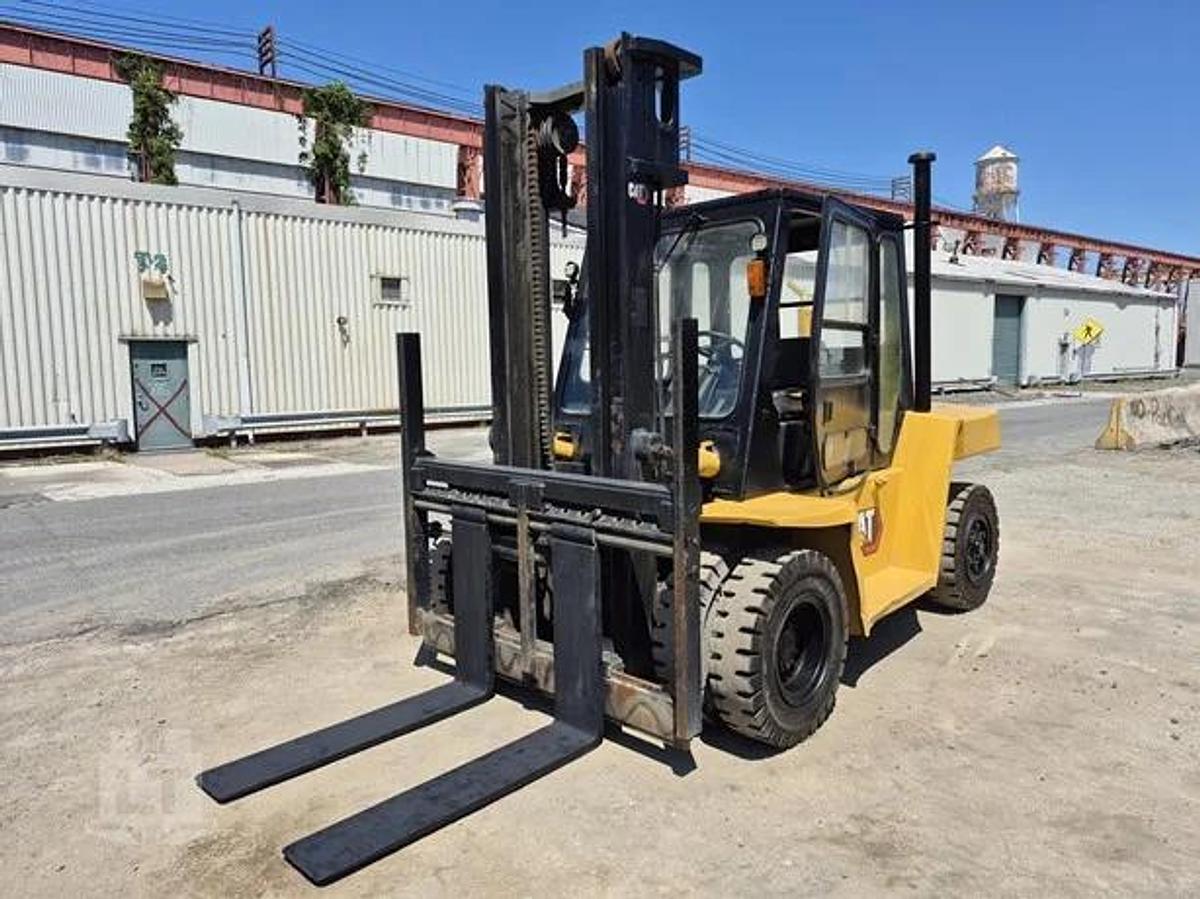
Benefits of a Diesel Forklift in Customer Operations
1) Strong torque and performance under load
Diesel engines are known for robust low-end torque, which can translate into confident acceleration and gradeability with heavy loads. For operations moving dense product (brick, lumber, metal, stone, beverage, paper rolls) or frequently traveling across uneven surfaces, a diesel forklift often feels composed and capable.
2) Well-suited for outdoor environments
Diesel forklifts are frequently selected for:
- Outdoor yards and job sites with dust, wind, and variable temperatures
- Rough surfaces where pneumatic tires and higher ground clearance are needed
- Long travel distances between staging areas and docks
In many outdoor applications, diesel’s exhaust concerns are easier to manage than in enclosed facilities, making it a practical choice for yard logistics and distribution centers with substantial exterior movement.
3) Fuel efficiency in high-utilization applications
In heavy-duty cycles, diesel can be fuel-efficient relative to gasoline, particularly where engines run for long shifts with significant load handling. If your operation measures cost per hour and runs multiple shifts, diesel’s efficiency can be a meaningful advantage—especially when paired with good preventive maintenance and operator training.
4) Refueling speed and availability
Where on-site diesel infrastructure already exists (fleet trucks, generators, bulk tanks), diesel forklifts can integrate smoothly into established fuel management. Refueling is generally quick, minimizing downtime compared with battery charging in electric fleets and often comparable to LPG cylinder swaps.
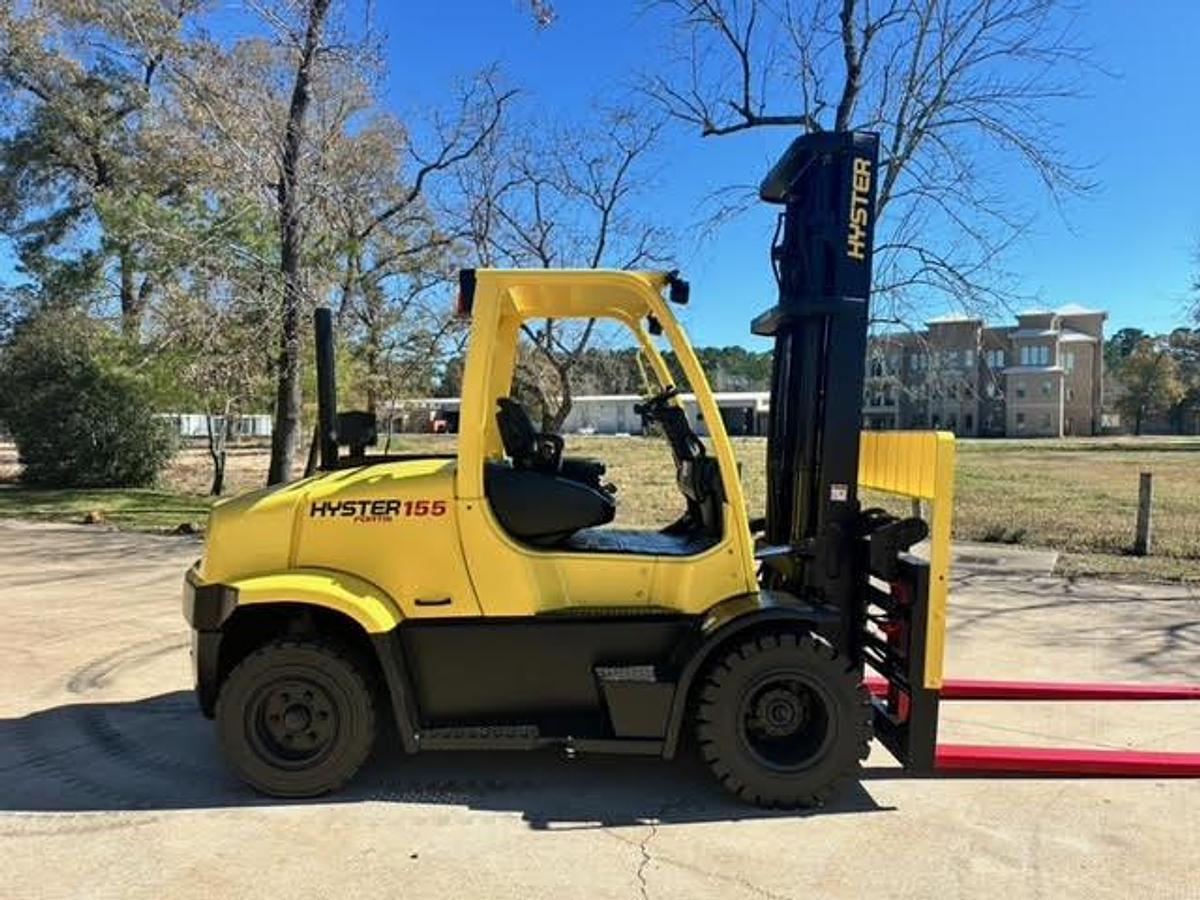
Drawbacks of Diesel Forklifts (and Why Many Sites Choose LPG or Gasoline Instead)
1) Emissions and indoor-use limitations
The largest operational constraint for diesel forklifts is exhaust emissions. Diesel engines produce pollutants that can negatively affect indoor air quality. Many facilities restrict diesel forklifts from operating indoors except for brief loading/unloading at open dock doors, and even then, ventilation and local regulations may apply.
If your workflow requires frequent indoor travel through aisles, mezzanines, or enclosed trailer loading, LPG forklifts (and in some cases gasoline) are often easier to accommodate from an air-quality standpoint. Always confirm requirements with your safety team and applicable regulations.
2) Higher noise and vibration
Diesel units can be louder than LPG and some gasoline models, contributing to operator fatigue and potentially complicating noise-sensitive environments. For operations that emphasize operator comfort, indoor communication, or neighboring businesses/residential considerations, this can be a deciding factor.
3) Maintenance complexity and aftertreatment considerations
Modern diesel engines may include emissions-control components that require proper maintenance and correct operating conditions. Depending on model and jurisdiction, this can add complexity compared with LPG forklifts. Additionally, diesel fuel quality, filtration, and cleanliness matter—especially in dusty yards—because contamination can increase downtime.
By comparison, LPG forklifts often have straightforward fuel systems and consistent fuel quality, and cylinder exchange programs can simplify fueling logistics.
4) Cold-weather starting and idling behavior
In very cold climates, diesel equipment may require additional attention for reliable starting (e.g., glow plugs, winterized fuel, block heaters). Prolonged idling can also contribute to maintenance issues over time. LPG can offer more predictable cold starts, which may matter if your fleet is frequently shut down between short tasks.
How Diesel Compares to Gasoline and LPG in Day-to-Day Operations
Diesel vs. LPG forklifts
LPG (propane) forklifts are often favored for mixed indoor/outdoor operations because they tend to produce fewer emissions than diesel and allow fast cylinder swaps. LPG also offers consistent performance across temperature swings and typically stores cleanly.
Diesel forklifts generally win in heavy outdoor duty cycles and high-torque applications, but they can be restricted indoors and may require more attention to emissions-related maintenance.
Diesel vs. gasoline forklifts
Gasoline forklifts can offer good performance and are sometimes used where gasoline is already managed on-site, but many fleets standardize on LPG rather than gasoline due to fueling safety preferences and lower vapor emissions concerns. Diesel may be more efficient under heavy load, while gasoline can be simpler in certain light-to-medium applications.
When a Diesel Forklift Is the Right Fit
A diesel forklift is often a strong match when your operation includes:
- Primarily outdoor work (yards, lumber, construction supply, ports, recyclers)
- Heavy loads and continuous operation where torque and efficiency matter
- Rough terrain requiring pneumatic tires and durable drivetrains
- Existing diesel fueling infrastructure and disciplined preventive maintenance
When You May Want Gasoline or LPG Instead
Consider gasoline or, more commonly, LPG forklifts if you need:
- Regular indoor operation with limited ventilation or strict air-quality policies
- Lower noise and improved operator comfort in close-quarters facilities
- Simple fueling logistics through cylinder exchange (LPG)
- Flexibility across indoor aisles and outdoor dock work without emissions-related restrictions
Bottom Line: Match the Forklift to the Work
Diesel forklifts deliver durable outdoor performance, strong torque, and efficient operation in demanding duty cycles. The trade-offs are emissions restrictions indoors, potentially higher noise, and added maintenance considerations depending on the engine and compliance requirements. For many facilities with significant indoor travel, an LPG forklift becomes the practical alternative, while gasoline may fit select fleets based on fueling preferences and application needs.
If you want the most accurate recommendation, evaluate your actual duty cycle: percent indoor vs. outdoor time, average load weight, travel distances, ventilation at docks, local regulations, and existing fueling infrastructure. When the power source matches the workflow, you get better uptime, safer operations, and lower cost per hour.