


Buying a large diesel forklift is a high-stakes decision for operations that move heavy, bulky, or irregular loads—steel, lumber, concrete products, machinery, container freight, and oversized pallets. The right heavy-duty diesel lift truck can reduce cycle times, improve operator safety, and lower cost per hour through better uptime and easier maintenance.
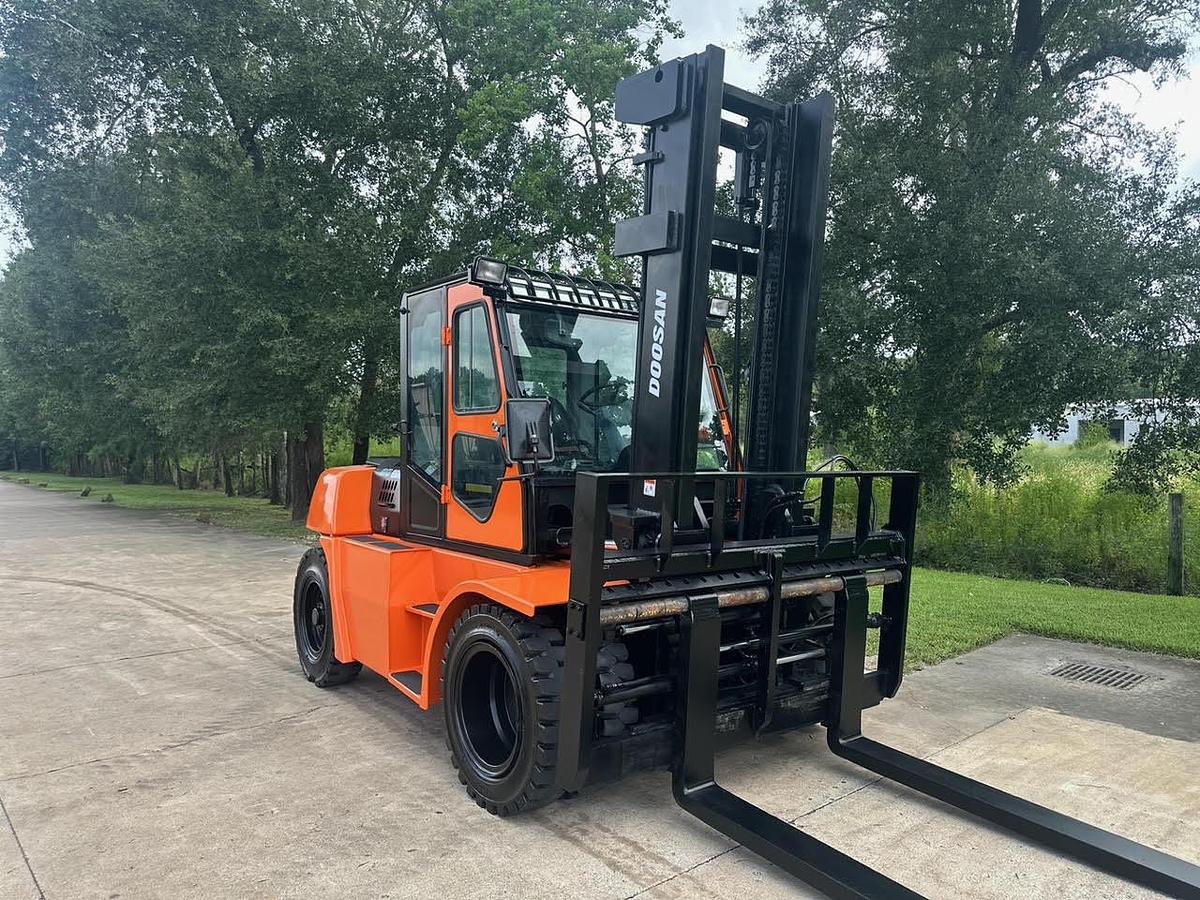
1) Start with the Core: Capacity, Load Center, and Stability
“Large diesel forklift” can cover a wide range of high-capacity lift trucks. Before comparing brands or options, confirm the application requirements:
- Rated capacity and load center: Ensure the forklift is rated for your typical load weight at the correct load center. Attachments (like a fork positioner) can reduce effective capacity.
- Lift height and free lift: Match mast height to racking, trailers, or outdoor stacking needs. Free lift matters if you work inside low-clearance buildings or containers.
- Stability features: A heavy counterweight, proper wheelbase, mast design, and tire selection all affect stability on uneven yards or ramps.
For most outdoor heavy handling, a diesel lift truck remains a strong choice thanks to torque, run-time, and refueling speed—especially in multi-shift environments.
2) Diesel Engine Performance and Emissions Compliance
A large forklift’s diesel engine is more than horsepower—it determines responsiveness under load, gradeability, fuel efficiency, and long-term reliability.
Key engine-related features to look for include:
- High torque at low RPM for confident acceleration with heavy loads.
- Modern emissions systems (where applicable) such as DEF/SCR and diesel oxidation catalysts to meet Tier 4/Stage V requirements.
- Heavy-duty cooling capacity for hot climates, dusty yards, and continuous duty cycles.
- Service-friendly layout with easy access to filters, belts, battery, and fluid checks.
If you operate indoors or near sensitive areas, confirm ventilation requirements and site policies. Many operations use diesel forklifts primarily outdoors and reserve electric units for indoor-only zones.
3) Transmission, Brakes, and Powertrain: Built for Heavy Cycles
In high-capacity forklifts, the powertrain determines how smoothly power reaches the ground—and how much wear your fleet absorbs over time.
Prioritize:
- Powershift transmission for smooth forward/reverse changes and reduced operator fatigue.
- Inching control for precise positioning at docks, racks, and machine load points.
- Wet disc brakes (where available) for consistent braking and longer service life in dirty or wet conditions.
- Differential lock or traction-assist features for gravel yards, inclines, or slick surfaces.
4) Hydraulics and Attachments: Productivity Multipliers
Large diesel forklifts often earn their keep by handling non-standard loads quickly. That makes hydraulic capability and attachment readiness crucial.
Look for:
- Side shift to reduce repositioning and speed up load placement.
- Fork positioner to adjust fork spacing from the cab—especially valuable for mixed pallet sizes, dunnage, and large skids.
- Auxiliary hydraulic functions to support clamps, rotators, or specialty attachments.
- High-visibility carriage and load backrest for safer handling of tall or unstable loads.
5) Operator Comfort and Visibility: Safer, Faster Work
In heavy-duty material handling, operator comfort directly affects safety and throughput. A well-equipped cab reduces fatigue, improves control, and encourages consistent operating practices.
High-value features include:
- Enclosed cab with heat and air conditioning for year-round productivity.
- Suspension seat, adjustable steering column, and ergonomic controls.
- Strong lighting package for early/late shifts and poor weather.
- Visibility and awareness aids such as mirrors, backup alarm, and camera options.
6) Tires and Chassis: Match the Forklift to Your Ground Conditions
Tires are frequently overlooked during forklift selection, but they are decisive in large diesel forklift performance—especially outdoors.
Common considerations:
- Pneumatic tires for rough surfaces, yards, and job sites; solid pneumatic options help reduce puncture downtime.
- Tread and compound appropriate for concrete, asphalt, gravel, or mixed terrain.
- Ground clearance and undercarriage protection if debris is common.
7) Maintenance Access and Fleet Readiness
Downtime is expensive with high-capacity forklifts. The best units are designed for quick daily checks and predictable service intervals.
Look for:
- Clear service points (fluids, filters, grease points) and accessible engine bay.
- Onboard diagnostics and easy-to-read gauges.
- Planned maintenance compatibility with your shop capabilities and parts availability.
A Practical Buying Checklist Before You Commit
Before finalizing a purchase, validate the forklift’s configuration against your real-world tasks:
- Confirm capacity with attachments installed (spec plate and documentation should reflect the actual setup).
- Match tires to your primary surface to reduce spin, wear, and operator vibration.
- Test visibility and control feel with a loaded pallet or representative load.
- Review maintenance history and inspections, especially for mast wear, hydraulic leaks, brake performance, and cooling system condition.
Conclusion: Choose Features That Protect Uptime and Throughput
The best large diesel forklift is the one that fits your loads, your ground conditions, and your operator needs—while minimizing downtime through strong serviceability and durable components. If your operation depends on heavy outdoor handling, prioritize a proven diesel powertrain, robust hydraulics with productivity attachments, an operator-focused cab, and safety features that reduce risk in busy yards.
For buyers considering Stock #: 01539, the configuration above covers the essential heavy-duty features most operations look for in a high-capacity diesel forklift—especially where speed, stability, and operator comfort matter every day.