


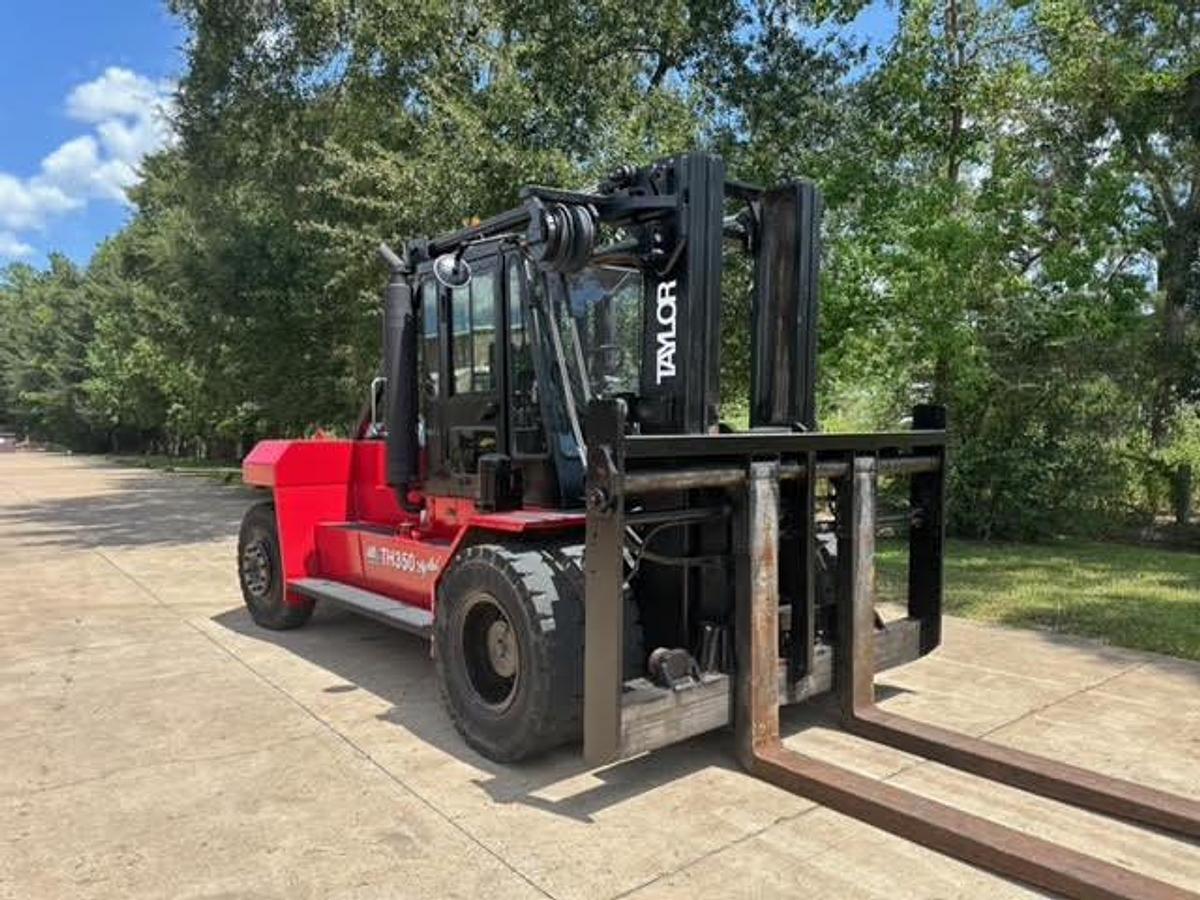
Every warehouse manager has lived through the nightmare: you find a clean-looking used forklift at a price that seems like an operational steal. You wire the money, take delivery, and within three weeks, hydraulic fluid is pooling on your warehouse floor, the battery won't hold a four-hour charge, and the unit is parked red-tagged in the corner.
Equipment downtime is a direct tax on your bottom line.
A fresh coat of industrial enamel and Armor All costs a seller roughly $250. Rebuilding a cracked mast cylinder or replacing an industrial lead-acid battery costs $5,000 to $8,000.
Before you sign a purchase order, print this checklist, grab a caliper and a flashlight, and run this field audit on the yard.
Phase 1: The Cold-Start Test (Don't Let Them Warm It Up)
Arrive unannounced, or demand the dealer does not run the engine prior to your arrival. A warm engine hides bad glow plugs, failing starters, and cold-compression blowby.
- The Exhaust Tell: Crank it cold. Blue smoke indicates burning engine oil (worn piston rings). White smoke points to coolant entering the combustion chamber (blown head gasket). Heavy, persistent black smoke signals an over-fueling fuel system.
- The Transmission Engagement: Shift from Neutral directly into Forward, then Reverse under load. Hesitation, hard slamming, or whining indicates worn transmission clutch packs or low line pressure.
Phase 2: Structural Integrity & The Mast
The mast assembly carries the load and takes the abuse. This is where catastrophic safety failures happen.
- Fork Heel Caliper Check: Measure fork blade thickness, then compare it directly to the thickness at the vertical heel. If the heel shows 10% or more wear, the forks are compromised and fail OSHA inspection. They must be replaced immediately.
- Lift Chains & Rollers: Inspect the chain links for elongation and rust cracking. More than 2–3% chain stretch means the chains are scrap. Look at the mast rollers: do they spin freely, or are they flat-spotted and gouging the channel channels?
- Channel Play: Raise the mast halfway, kill the engine, and manually shake the carriage forward and backward. Excessive chattering or visible play indicates worn wear pads and shims that require a complete mast teardown.
Phase 3: Hydraulics Under Load
A dry cylinder rod in the yard means nothing until the hydraulic system hits relief pressure.
- The Stall Test: Lift a rated load (or feather the hydraulic tilt lever fully back to hit max system relief). Hold it. Look for:
- Hydraulic hose bulging or weeping around crimp fittings.
- Internal bypass leaks: If the mast slowly creeps downward on its own, the internal packings inside the lift cylinders are shot.
- Fluid Condition: Pull the hydraulic dipstick. Clean fluid should look like light honey. If it looks like chocolate milk, water has breached the reservoir. If it smells burnt, the pump and valves have overheated repeatedly.
Phase 4: The Power Plant (IC vs. Electric)
For Internal Combustion (LPG / Diesel / Gas):
- Pull the oil fill cap with the engine idling. Feel for air pulsing out. Heavy blowby means the engine needs a rebuild.
- Check the radiator core for bent fins, corrosion, and oil-in-coolant contamination.
For Electric Units:
- Inspect the battery data plate and check the cells with a hydrometer. Look for severe white crust (sulfation) across the terminal cables.
- Ask for the amp-hour discharge test receipt. A battery showing under 80% original capacity will struggle to finish a standard four-hour shift.
The Bottom Line
A legitimate equipment dealer welcomes this inspection. If a seller rushes your walkaround, refuses a cold start, or won't lift a test load to relief pressure, walk off the lot. The money you save on a cheap, unverified machine will be paid back twice over in rental fees while it sits in your repair bay.
Ready to bypass the guesswork?
Every pre-owned unit in our current inventory undergoes a rigorous 80-point mechanical certification, with transparent hour meters.
[View Our Current Certified Inventory]